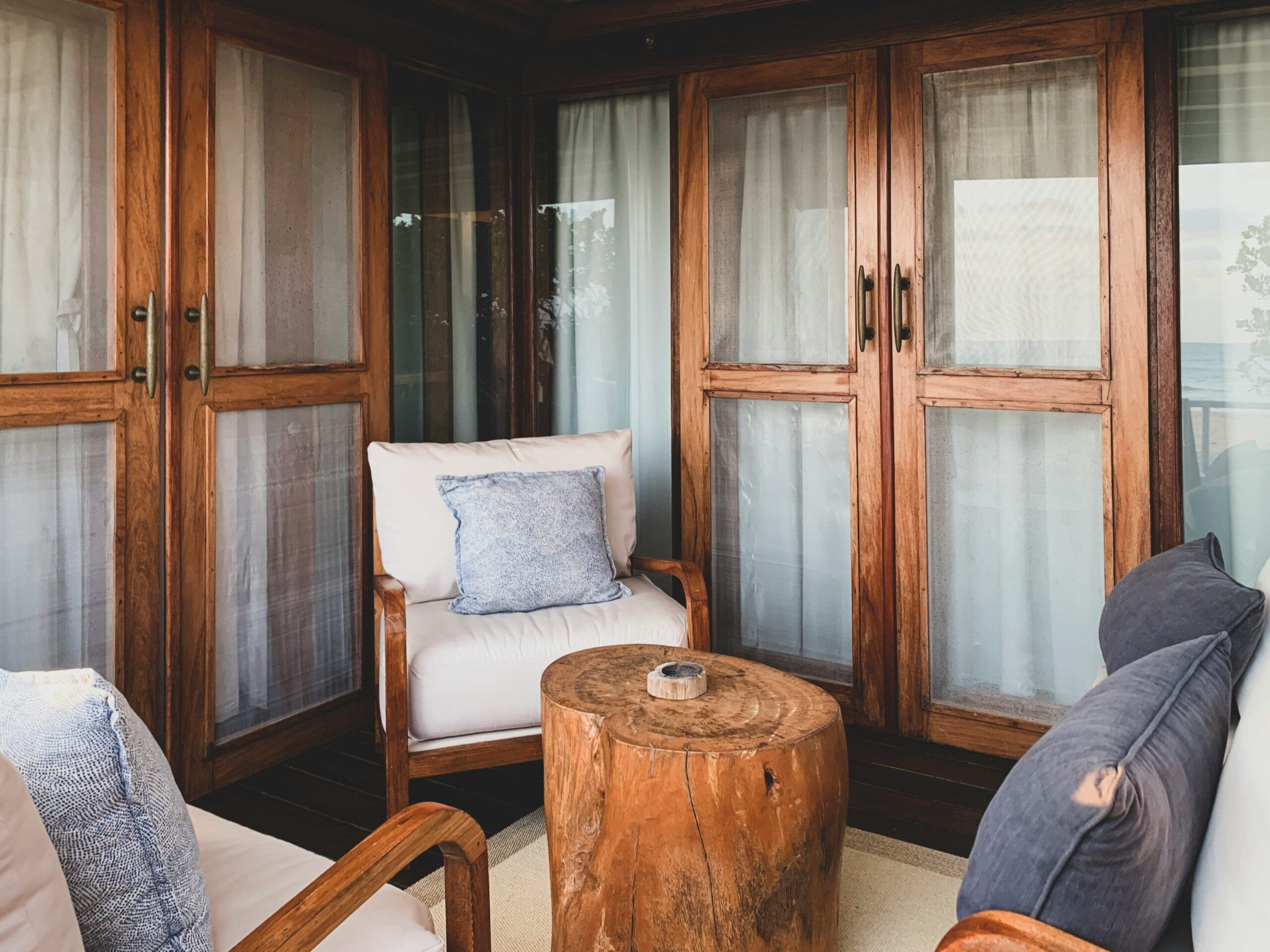
Choosing outdoor furniture in the Pacific Northwest requires more than finding pieces that look beautiful in a photograph. Seattle-area outdoor spaces must contend with rain, moisture, shifting temperatures, seasonal debris, limited winter sunlight, and the occasional stretch of intense summer heat. The right furnishings should complement the architecture and atmosphere of the property, but they must also be selected for how and where they will be used.
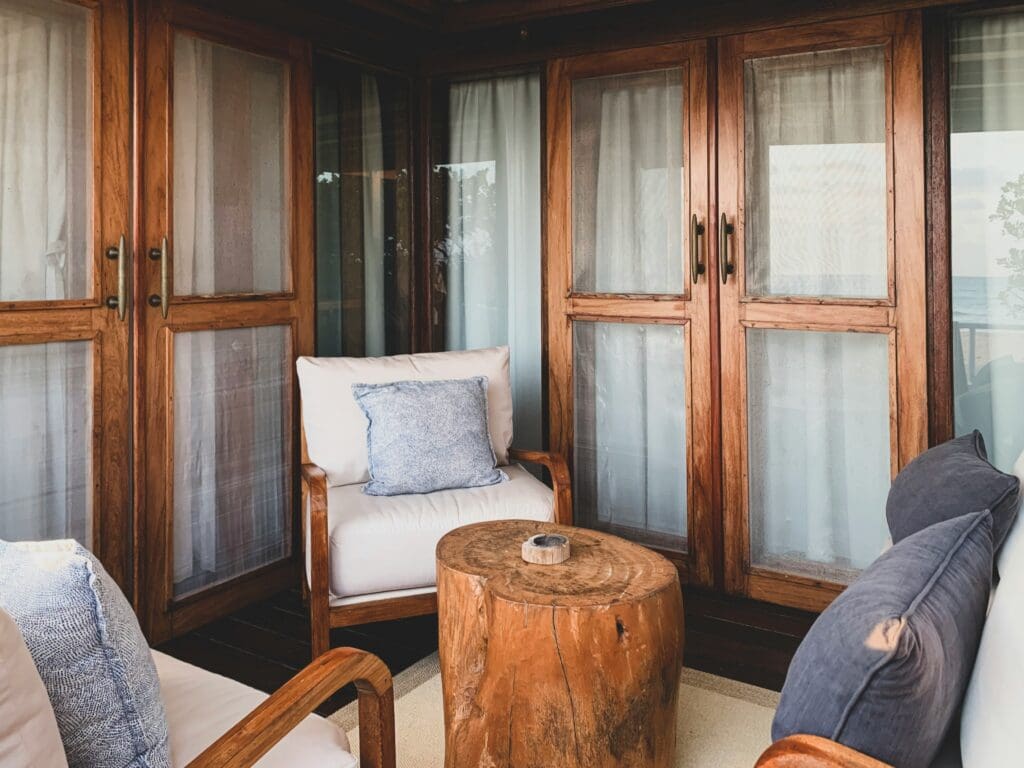
As an outdoor furnishings consultant in Seattle, I help homeowners, designers, hospitality groups, and commercial properties evaluate the full picture before choosing a manufacturer or product. A successful outdoor space begins with understanding the setting, the people using it, and the demands that will be placed on every piece.
Begin With the Environment
One of the first questions I ask is: Where will the furniture live? An exposed rooftop in Seattle has different requirements than a covered residential terrace. A waterfront restaurant may need to account for moisture and wind, while a vacation community in Central Washington may experience stronger sun, colder winters, and greater temperature fluctuations.
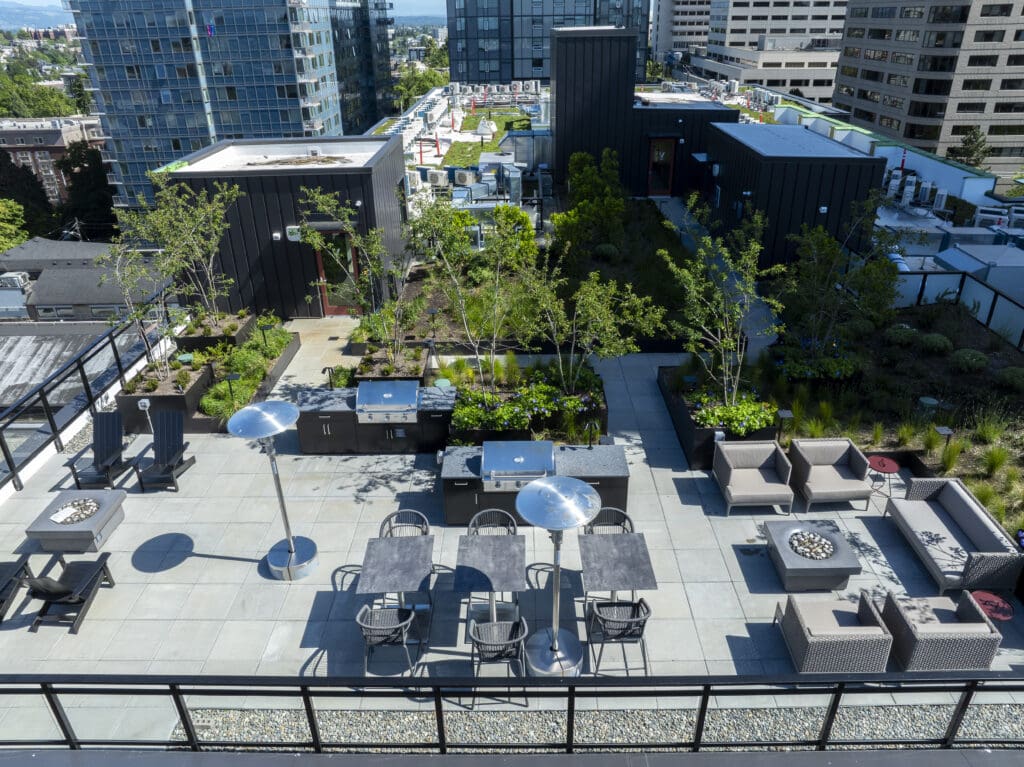
Projects such as The Victor Condos require careful consideration of how furniture will function in a shared residential setting. Durability, circulation, comfort, and ease of maintenance are especially important when many residents and guests will use the space.
At destination properties such as Chelan Lookout or Tsillan Cellars, the furniture must also support the experience of the location. Guests should be able to relax, dine, gather, and appreciate the view without the furniture feeling disconnected from the surrounding landscape.
- Is the space covered, partially covered, or fully exposed?
- How many hours of direct sunlight does it receive?
- Is the property near water?
- Will the furniture remain outside throughout the year?
- Is wind a significant concern?
- Who will maintain and store the furniture?
- How frequently will the space be used?
These answers help narrow the materials, construction methods, finishes, cushions, and manufacturers that are appropriate for the project.
Understand Outdoor Furniture Materials
There is no single material that is right for every Pacific Northwest property. Powder-coated aluminum is a popular choice because it is lightweight, corrosion resistant, and available in many styles and finishes. However, the quality of the powder coating and frame construction can vary considerably between manufacturers. Marine-grade stainless steel can provide excellent strength and corrosion resistance, particularly in demanding environments. It may require occasional cleaning to retain its appearance.
High-quality teak is valued for its warmth, strength, and ability to weather naturally. Some clients enjoy the silvery patina that develops over time, while others prefer to maintain its original color. That maintenance preference should be discussed before the furniture is purchased.
Engineered outdoor lumber and high-density polyethylene products can be appropriate for properties that prioritize durability and relatively simple maintenance. The construction, fastening systems, proportions, and finish quality should still be evaluated carefully.
Woven products bring softness and texture to an outdoor setting, but not every weave is manufactured to withstand prolonged moisture and UV exposure. Ask what the material is made from, how the frame is constructed, and what warranty support is provided.
Evaluate More Than Appearance
A beautiful chair is not necessarily a comfortable or well-made chair. When I source outdoor furnishings, I evaluate how a piece feels, how it moves, and how it is constructed. I sit in chairs, check the seat depth, consider arm height, examine the underside, and test tables for stability.
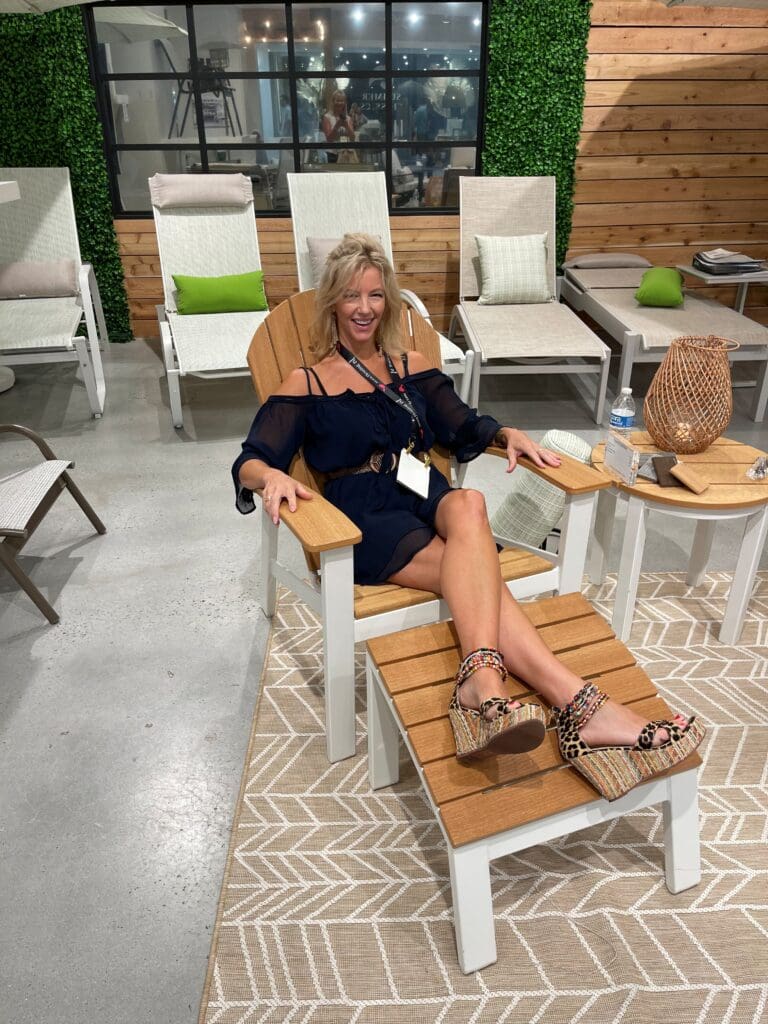
Comfort is especially important in restaurants and hospitality settings. At a location such as Fisherman Jack’s, the furnishings contribute directly to the guest experience. A chair may look appropriate for the setting, but if it becomes uncomfortable during a meal, the design has not fully succeeded.
The same applies to residential spaces. Deep seating should support the way a family actually relaxes. Dining chairs should work with the height and proportions of the selected table. Counter and bar seating must provide comfortable support at the correct height.
Select Outdoor Cushions Carefully
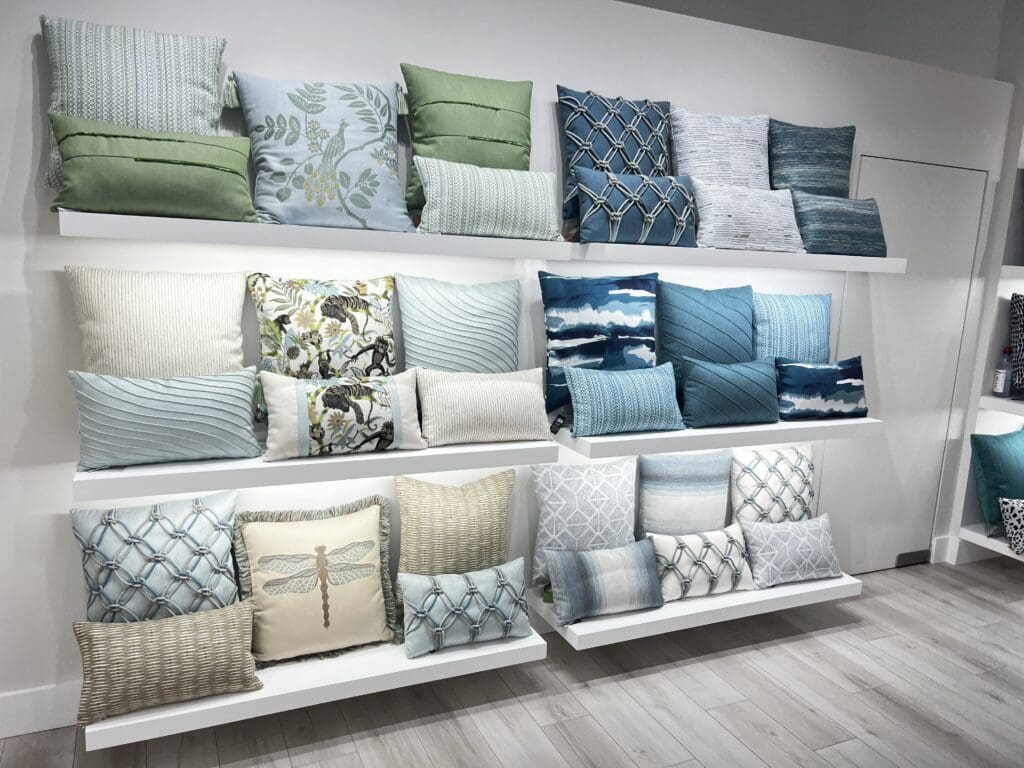
Not all outdoor cushions perform equally in the Pacific Northwest. Look beyond the fabric color and ask about the foam, fill, drainage, ventilation, and construction. Quick-drying cushion systems can help moisture move through the cushion rather than remain trapped inside it. Performance fabrics should also be evaluated for UV resistance, stain resistance, cleanability, and
suitability for outdoor use. Even high-performing cushions benefit from thoughtful care. Furniture covers, protected storage, and
seasonal maintenance can extend their appearance and useful life.
Plan for Flexibility and Storage
Outdoor spaces often serve several purposes. A residential patio may transition from quiet mornings to family dinners and larger celebrations. A hospitality terrace may need to accommodate casual dining, private events, and seasonal programming.
Modular seating, stackable dining chairs, movable tables, and adaptable shade solutions allow the same space to serve different groups. Before purchasing furniture, consider where extra chairs, cushions, covers, and accessories will be stored. Storage is often overlooked until the furniture arrives. Addressing it during the planning process prevents clutter and makes seasonal transitions easier.
Look at Warranty Support and Lead Times
A product specification is only part of the decision. Manufacturer support, replacement-part availability, warranty coverage, and lead times also matter. This is one reason I carefully evaluate the companies I recommend. I want to understand how they stand
behind their products, how responsive they are when a question arises, and whether replacement components will be available in the future. For commercial and hospitality properties, lead times can affect an opening, renovation, or event schedule. For residential projects, understanding the production and delivery timeline helps establish realistic expectations.
Work With an Outdoor Furniture Consultant
Choosing outdoor furniture should not require guessing which product will survive the climate or fit the space. My role is to help clients compare materials, evaluate manufacturers, coordinate furnishings, and select products that support the way the property will actually be used. Rather than beginning with a particular brand, I begin with the project. The result should be an outdoor space that feels connected to its surroundings, performs through Pacific Northwest seasons, and invites people to stay.
If you are planning an outdoor living, dining, hospitality, or shared community space, schedule a private
consultation or showroom appointment with J. Michelle Design Source at the Seattle Design Center.

Comments Off on How to Choose Outdoor Furniture for the Pacific Northwest